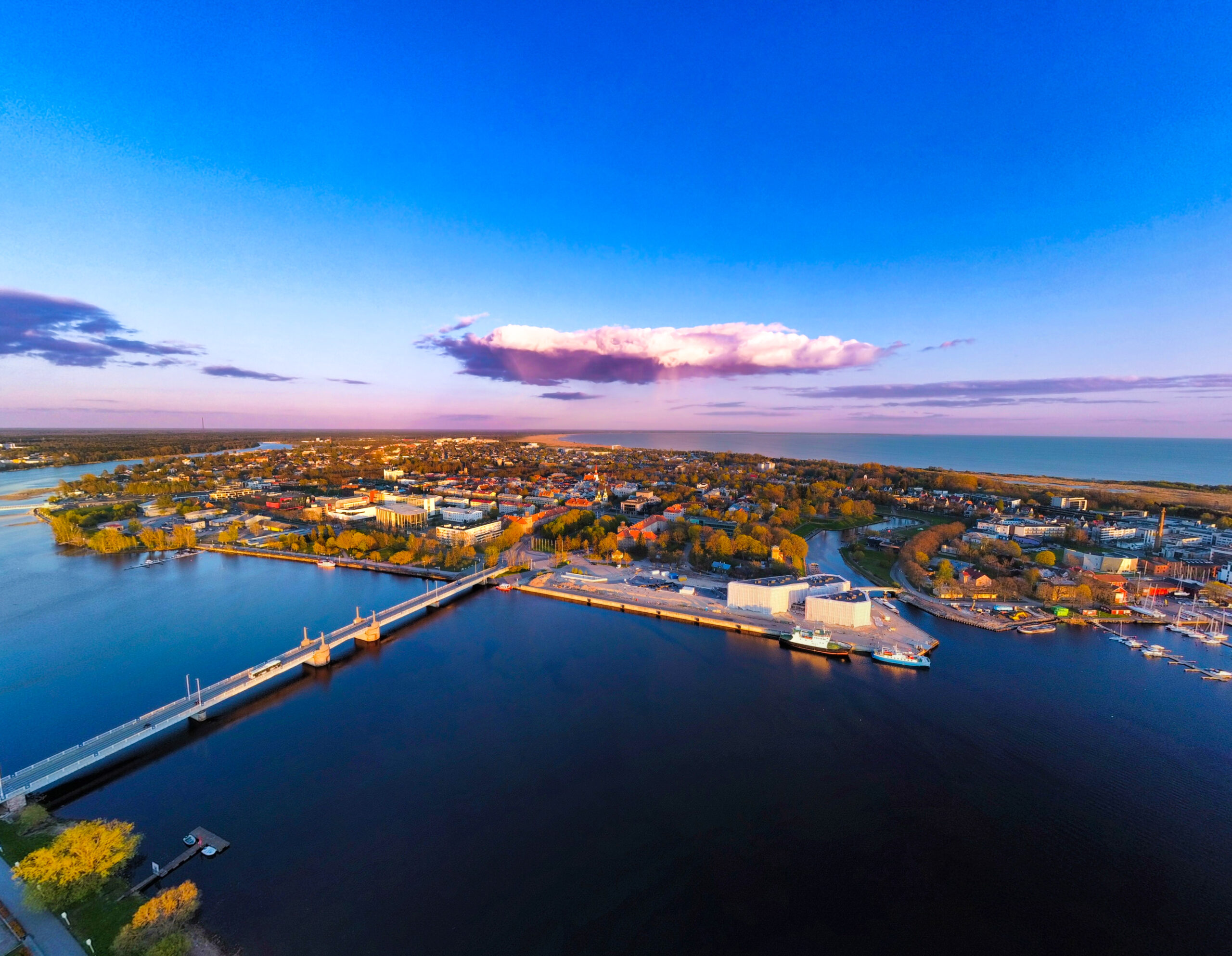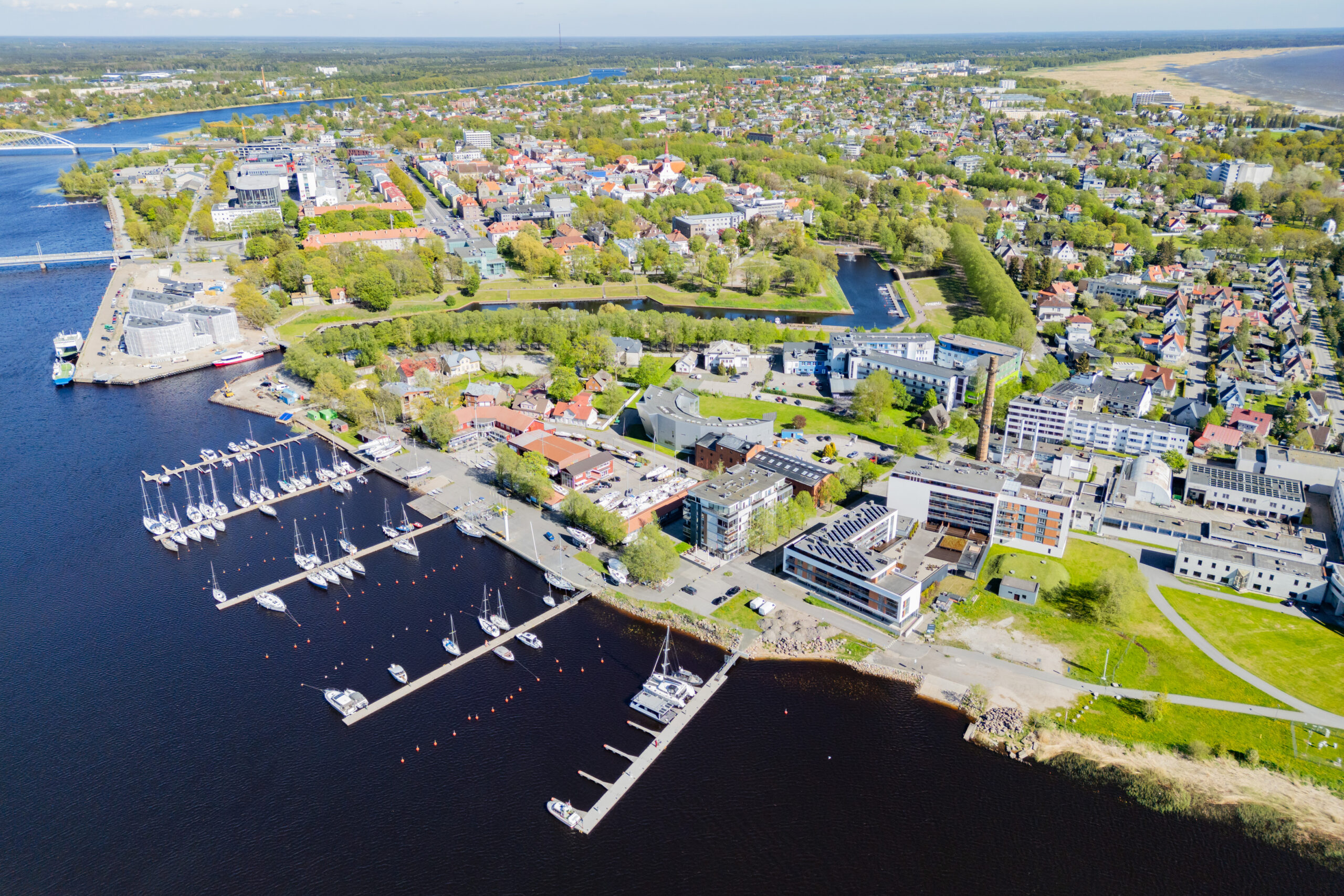



“Our goal is to create an international maritime gateway for Pärnu, capable of accommodating larger vessels than before,” said Kaspar Kokk, Chairman of the Supervisory Board of AS Kihnu Veeteed, the company set to operate the marina.
According to Kokk, Pärnu Old Harbour will be able to service yachts up to 120 metres in length with a draught of up to six metres, opening up entirely new opportunities for both local tourism and international yachting. By comparison, the Pärnu Yacht Club marina can accommodate vessels up to 24 metres long with a draught of up to three metres.
Berths will be offered on a priority basis to clients who have purchased apartments in the Old Harbour quarter, but space will also be available for local boat owners and visitors to Pärnu.
At present, the process of defining the marina’s water area is underway, to be followed by the preparation of a site plan and the design of floating pontoons.
The project still requires approvals from the Pärnu City Government, which are expected to be obtained in due time. “We are working closely with the local authorities to ensure that all necessary permits and approvals are secured so that we can open the marina for the next navigation season,” Kokk added.
In the first season, 50 berths will be built, with the possibility of adding another 50 in the second phase of development depending on market demand. More than one million euros are planned to be invested in the marina during the initial phase.
The marina is part of the broader Old Harbour quarter development project, which will transform the historic port area into a modern residential and business environment. In the future, buildings and a restaurant are also planned next to the marina.
Kihnu Veeteed, which operates ferry connections between the mainland and small islands, is expanding its activities into marina management through this project. The company has already acquired commercial premises in the Old Harbour quarter and will relocate its headquarters to the first floor of the building.
Photo credits: Mart Veltmann and Egon Ligi